Selling a home in West Des Moines can feel simple at first glance, until you realize how many moving parts affect your price, timing, and closing day. If you want to sell with fewer surprises and stronger offers, the details matter long before your listing goes live. From pricing and prep to disclosures and closing steps, a smart plan can help you protect your time and your bottom line. Let’s dive in.
Know the West Des Moines market
West Des Moines is not a one-size-fits-all market. Current data points to a balanced to somewhat competitive market, with about 280 homes for sale, a median listing price near $359,950, a median 54 days on market, and a 99% sale-to-list ratio as of March 2026.
Sold data shows a slightly different snapshot, which is normal. For the three months ending May 2026, the median sale price was $327,554 and homes spent about 36 days on market. The main takeaway is that homes are still selling, but buyers are paying close attention to price and condition.
That is especially true because pricing varies widely across West Des Moines. Some areas show median list prices near $225,000, while others are around $1.25 million. Citywide averages are useful, but they should never replace neighborhood-specific pricing.
Start with pre-list prep
A smooth sale often starts weeks before photos, showings, or the first open house. If you handle key prep items early, you can avoid delays once buyers begin asking questions.
Check permits and inspection closeouts
If you have completed recent repairs, finishing work, or remodeling, confirm that any required permits were properly finalized. West Des Moines requires contractors and property owners to receive inspection approval before covering work or occupying a building.
For sellers, that means it is wise to verify that permitted work is actually closed out before listing. If a buyer or title company uncovers unfinished permit records later, it can slow the transaction at the worst possible time.
Build your disclosure packet early
Iowa requires a written residential property disclosure for most transfers of one to four dwelling units. That disclosure must be delivered before you make or accept a written offer.
Timing matters here. If the disclosure is delivered late, the buyer may have a short window to revoke or withdraw. Preparing it early helps reduce risk and keeps the process cleaner once offers start coming in.
The Iowa disclosure form covers a wide range of topics, including:
- Basement or foundation issues
- Roof condition
- Well or septic information
- Heating and cooling systems
- Plumbing and electrical systems
- Pest issues
- Asbestos, radon, and lead-based paint
- Flood plain status
- Zoning, covenants, and shared features
- HOA or common areas
- Settling, flooding, drainage, and structural damage
- Special assessments
Iowa law requires good-faith disclosure. If you do not know an answer after making a reasonable effort, approximations may be allowed. If something changes before closing, the disclosure should be updated.
In some cases, reports from qualified professionals can be attached if they satisfy a disclosure item. That can be helpful if you have already addressed a repair concern and want to document it clearly.
Understand possible exemptions
Some transfers are exempt from Iowa's disclosure requirements, including certain court-ordered transfers, foreclosures, deeds in lieu, some fiduciary transfers, and certain transfers between joint owners or spouses. Most typical home sales in West Des Moines do not fall into those exempt categories.
For most sellers, it is safest to assume the disclosure requirement applies and prepare accordingly.
Pay special attention to radon and lead
Two issues deserve extra attention in Iowa: radon and lead-based paint. These can affect how you prepare your paperwork and answer buyer questions.
Radon matters in Iowa
Iowa Health and Human Services says Iowa has the largest percentage of homes above the EPA radon action level, at 71.6%, and the entire state is EPA Zone 1. That makes radon a common topic in real estate conversations across West Des Moines.
There are no Iowa rules that require radon testing or mitigation during a real estate transaction. Still, if you know about past radon testing, that information must be disclosed, and the state fact sheet must be provided to the buyer.
If you already have test results or mitigation documentation, gathering those records before listing can save time later.
Lead rules apply to older homes
If your home was built before 1978, federal lead-based paint rules apply. Sellers and agents must disclose any known lead-based paint information before the contract is signed, provide available records and reports, give the required pamphlet, and allow the buyer a 10-day opportunity for a lead inspection or risk assessment.
If you own an older home in West Des Moines, this is worth planning for early, especially if you are considering pre-list repairs or repainting.
Price for the market you have
Pricing is one of the biggest decisions you will make, and it can shape everything that follows. In West Des Moines, the data suggests sellers should price from recent comparable sales and active competition, not from best-case expectations.
Homes are generally closing close to asking, but not always above it. Current data shows a 99% sale-to-list ratio, while other recent sold data suggests the average home sells about 2% below list and goes pending in around 33 days.
That tells you something important. Buyers will pay strong prices for well-positioned homes, but overpricing can lead to extra time on market.
Why neighborhood comps matter
Because West Des Moines has such a wide spread in home values, city averages can only get you so far. A pricing strategy that works in one area may miss the mark in another.
The most useful pricing plan looks at homes that are similar in location, size, condition, and style. If the recent comparable homes that are actually moving are priced lower than your target, the market is giving you a signal.
Make condition work in your favor
In a balanced to somewhat competitive market, presentation still matters. Buyers compare your home against every other option they see online and in person.
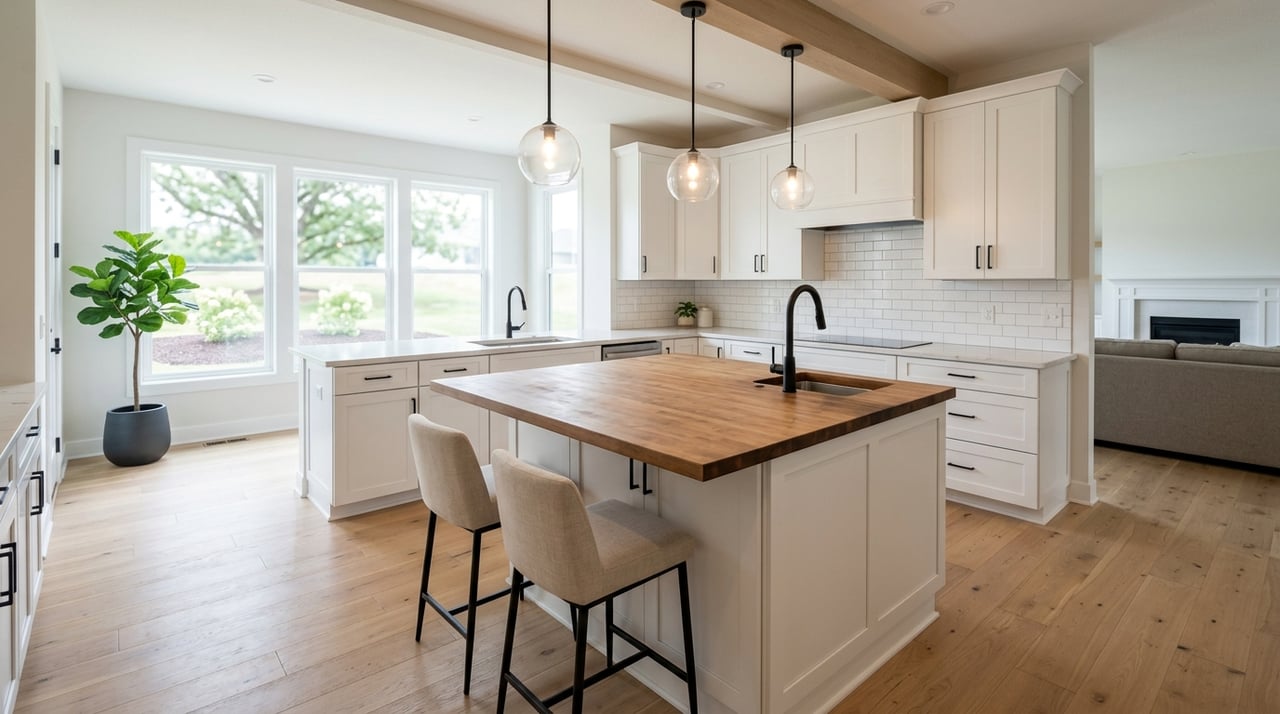
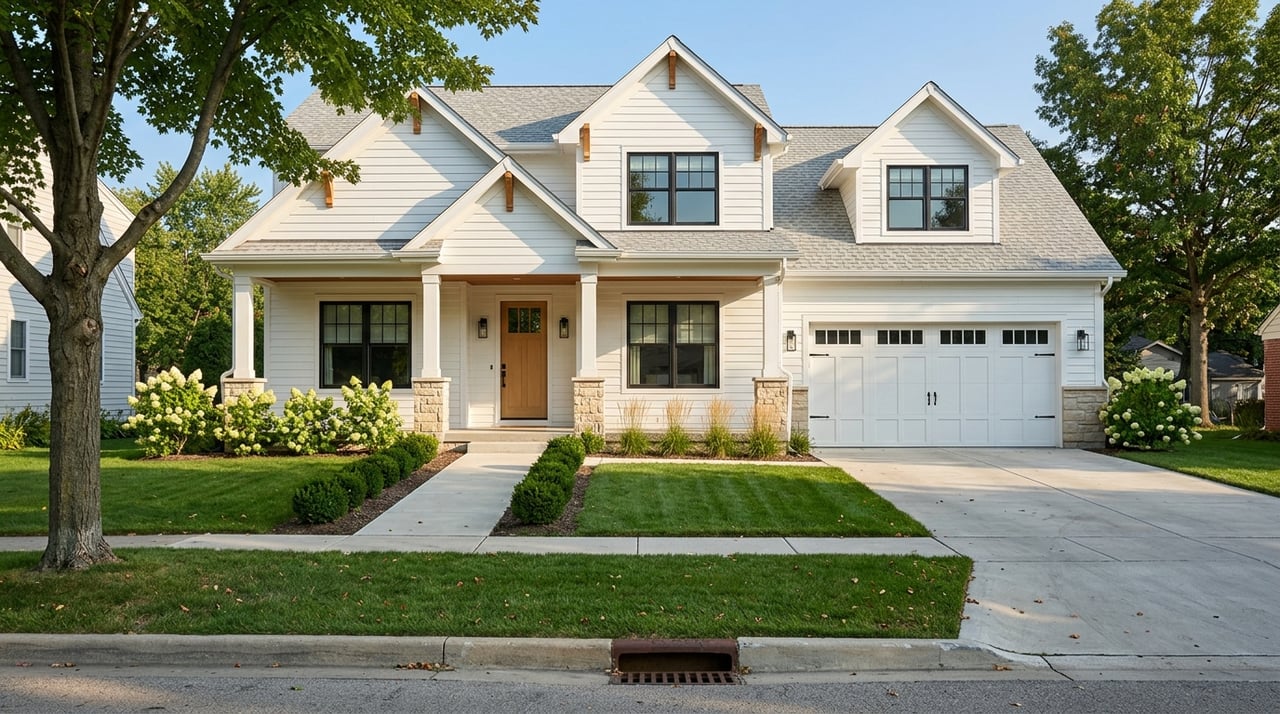
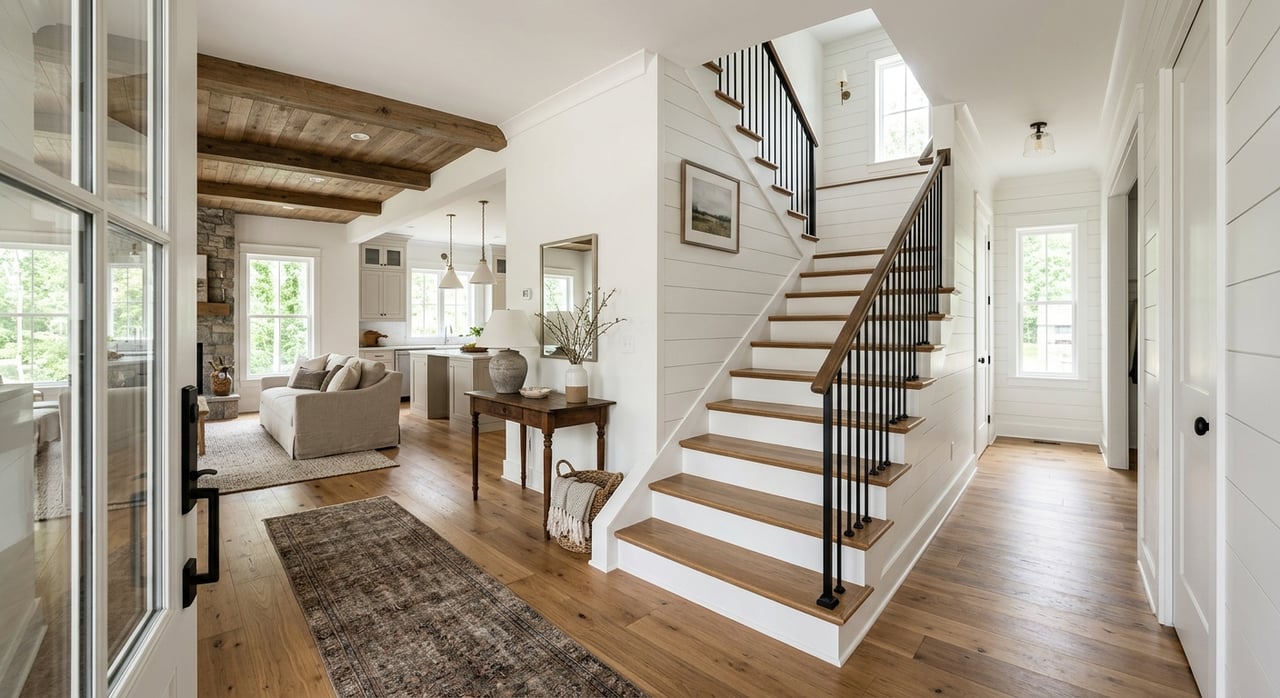
Realtor.com specifically points to fresh paint, updated fixtures, and improved landscaping as helpful seller prep in West Des Moines. These are often manageable updates that can improve first impressions without turning your prep budget upside down.
Focus on simple improvements
You do not always need a major renovation to improve your results. Start with practical updates that make the home feel clean, cared for, and move-in ready.
Good places to focus include:
- Fresh neutral paint where needed
- Clean and working light fixtures
- Tidy landscaping and trimmed greenery
- Minor touch-ups to walls, trim, and hardware
- Deep cleaning before photos and showings
Small improvements can support better photos, stronger showing feedback, and a pricing strategy that feels justified to buyers.
Prepare for showings and offers
Once your home goes live, things may move quickly. Some West Des Moines homes receive multiple offers, and hot homes can go pending in around 9 days.
That does not mean every listing will sell immediately, but it does mean you should be ready to respond when interest shows up. Waiting too long or reacting without a plan can make a strong opportunity harder to manage.
Look beyond the highest price
The strongest offer is not always the one with the highest number. Price matters, but so do financing strength, contingencies, and timing.
When reviewing offers, pay attention to:
- The offered price
- The buyer’s financing strength
- Inspection and other contingencies
- Requested closing timeline
- Flexibility on possession or move-out timing
A clean offer with solid financing and realistic timing can be more dependable than a higher offer with more risk attached.
Understand the closing process in Iowa
After you accept an offer, the transaction moves into a new phase. This usually includes lender work, appraisal, title work, and closing coordination.
Closing is not just the moment you sign papers. It is a process that builds toward that day, and several steps need to come together on schedule.
What happens after contract acceptance
In a financed sale, the buyer's lender typically orders the appraisal. The buyer’s lender must also provide the Closing Disclosure at least three business days before closing.
Closing itself is the point when the required documents are signed and the loan funds are distributed. If one piece of the file is delayed, the entire timeline can shift.
Iowa Title Guaranty timing matters
In Iowa, there is another practical detail sellers should understand. For residential transactions, a pre-closing search is completed right before closing, and the deed and mortgage must be recorded immediately after closing and no later than 10 business days after the search certification date.
That means a West Des Moines closing is usually a coordinated multi-step process, not just a same-day handoff of keys and paperwork.
Recording and transfer tax
Polk County handles real estate recording. Iowa’s real estate transfer tax is paid when the deed or other conveying instrument is presented for recording.
The state rate is $0.80 per $500 increment, with the first $500 exempt. Depending on the documents involved, recording fees and county transfer charges may also apply.
Avoid common closing delays
Most closing problems do not start at the signing table. They usually begin earlier with missing paperwork, pricing issues, or unresolved property questions.
According to the research, the biggest risks are often a low appraisal, a title issue, a missing document, or a late lender disclosure. The best way to reduce those risks is to stay ahead of them from the start.
Your simplest seller checklist
If you want a smoother sale in West Des Moines, focus on these steps early:
- Confirm permit and inspection closeouts
- Complete disclosures before offers are written
- Gather radon, repair, and system records
- Plan for lead-based paint requirements if your home was built before 1978
- Price from current neighborhood comps
- Handle simple cosmetic updates before listing
- Be ready to review offers quickly and carefully
Selling your home is a big move, but it does not have to feel chaotic. With the right prep, realistic pricing, and a clear plan for closing, you can move through the process with more confidence and fewer surprises.
If you are thinking about selling in West Des Moines and want hands-on guidance from pricing to closing, Erika Hansen can help you build a smart local strategy.
FAQs
What is the West Des Moines housing market like for home sellers?
- West Des Moines is currently balanced to somewhat competitive, with homes generally selling near asking price, but pricing and timing still depend heavily on neighborhood, condition, and recent comparable sales.
When do Iowa home sellers need to provide the residential property disclosure?
- For most one- to four-unit residential sales, Iowa requires the seller to provide the written property disclosure before making or accepting a written offer.
What should West Des Moines sellers disclose about radon?
- If you know about prior radon testing results, that information must be disclosed, and the buyer must receive the Iowa radon fact sheet.
Do older West Des Moines homes need lead-based paint disclosures?
- Yes, if the home was built before 1978, sellers must disclose any known lead-based paint information, provide available records, give the required pamphlet, and allow a 10-day opportunity for inspection or risk assessment.
What repairs help most before selling a home in West Des Moines?
- Based on current market guidance, simple improvements like fresh paint, updated fixtures, and improved landscaping can help your home show better and compete more effectively.
What usually delays a home closing in West Des Moines?
- Common issues include a low appraisal, title problems, missing documents, unresolved permit questions, or late lender disclosures.