If you’re trying to figure out where to live in West Des Moines, it helps to know that this city is not just one kind of market. You’ll find historic areas with older homes, established neighborhoods with classic suburban layouts, mixed-housing pockets with more options, and newer growth areas on the west and southwest sides. Understanding how those areas differ can make your home search feel much more manageable. Let’s dive in.
Why West Des Moines Feels So Varied
West Des Moines began as Valley Junction, a railroad hub incorporated in 1893. Over time, the city expanded well beyond that original core, and its housing stock grew sharply from 1990 to 2009, especially toward the western edge.
That growth pattern matters because it helps explain why the city offers such a wide range of home styles. Instead of one dominant neighborhood type, West Des Moines has a mix of older, established, newer, and higher-density housing patterns.
The city’s location near Interstate 35 and Interstate 80 also shapes how buyers compare neighborhoods. For many people, the decision is not only about the house itself, but also about access to shopping, dining, parks, trails, and everyday errands.
Historic Valley Junction And Nearby Homes
If you love character and a sense of place, the historic core of West Des Moines is often the first area to explore. Valley Junction is the city’s original main street area, and the commercial core is a National Historic District with 53 contributing properties as of 2025.
That historic identity influences nearby housing too. The Transitional District near Valley Junction includes single-family residences and starter homes, and city design guidelines call for new buildings to stay consistent with the traditional feel.
What homes look like here
In and around this part of West Des Moines, homes tend to feel more compact and street-oriented than what you may see in newer subdivisions. The design approach emphasizes features like pitched roofs, front porches, traditional materials, and building forms that fit the historic setting.
For buyers, that often translates into homes with more visual character and a neighborhood feel tied closely to the street and nearby commercial area. If walkability and historic context are high on your list, this area stands out.
Who this area may appeal to
This part of West Des Moines can be a strong fit if you want an older home, a starter-home option, or a location with a more traditional street pattern. It may also appeal to buyers who enjoy being near small-scale shops, dining, and a district with a long local history.
Because homes here can vary in age, layout, and updates, it helps to look closely at condition and functionality rather than making assumptions based on style alone. Two homes on nearby streets can offer very different experiences.
Established Detached Neighborhoods
West Des Moines also has several established detached-residential neighborhoods that reflect the city’s classic suburban side. According to the comprehensive plan, these areas include walkable neighborhoods and conventional subdivisions with varied lot sizes, nearby parks and open spaces, and neighborhood-scale retail and services.
For many buyers, this is the most familiar housing type in the city. These neighborhoods are generally made up of single-family homes in low-rise forms, with enough variety in lots and street layouts to keep each area from feeling identical.
What homes look like here
Detached residential areas typically offer the classic single-family home pattern many buyers picture when they think of suburban living. You may see differences in lot size, home age, and layout from one pocket to the next, but the overall character tends to stay consistent.
The city’s planning goals also support a variety of dwelling styles within the same general character and massing. That means buyers can often find some visual diversity without losing the cohesive feel of the neighborhood.
Why buyers often start here
If you want a balance of space, neighborhood structure, and access to parks or services, these established areas often land in the sweet spot. They can feel practical and comfortable for first-time buyers, relocating households, and move-up buyers alike.
From a pricing standpoint, these neighborhoods often sit in the middle of the market on a directional basis. Exact values still depend on things like age, condition, lot size, and updates, so it is smart to compare homes carefully instead of assuming every home in one area will land in the same range.
Mixed-Residential And Attached-Housing Areas
Not every buyer in West Des Moines is looking for a detached single-family home. Some parts of the city include a broader mix of housing, which can open up more options if you want lower maintenance, a different price point, or a home closer to activity centers and major corridors.
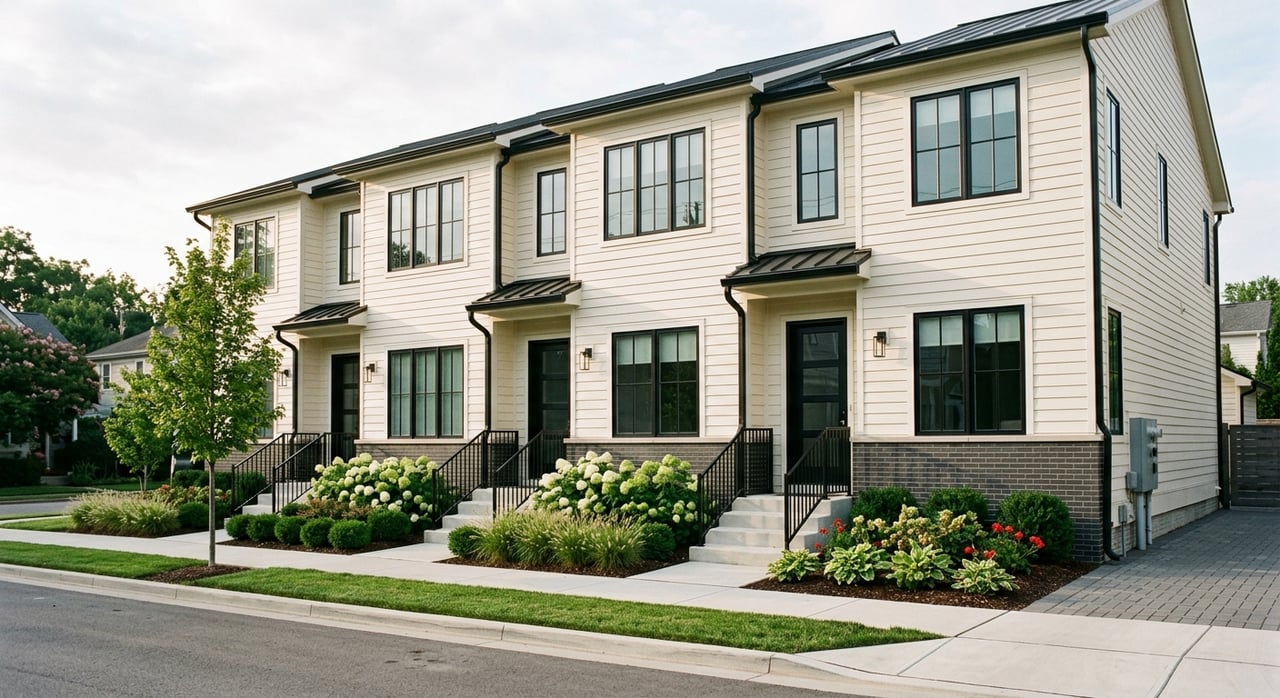
The city’s comprehensive plan identifies mixed residential areas as places that can include single-family detached homes, townhouses, duplexes, small-scale multifamily buildings, and larger multifamily communities. It also identifies attached residential as the city’s moderate-density multifamily product.
What homes look like here
These are the areas where you are more likely to come across condos, townhomes, and apartment-style homes. In practical terms, that means more flexibility in layout, ownership style, and density than you may find in detached-only neighborhoods.
For some buyers, this can be an especially helpful category to explore early. If you are weighing budget, maintenance, location, or lifestyle, mixed-residential pockets may offer choices that better match your day-to-day needs.
Why these areas matter
These housing types are part of what makes West Des Moines a broad, multi-tier market. They can provide more approachable entry points in some cases, while also giving buyers alternatives to traditional suburban single-family living.
If you are relocating or buying for the first time, attached or mixed-housing areas can also simplify the search by narrowing your focus to homes that match your budget and desired upkeep. The key is understanding that these pockets serve a different purpose than the historic core or a conventional subdivision.
Newer West And Southwest Growth Areas
If your priority is newer construction or a more contemporary subdivision pattern, the west and southwest sides of West Des Moines deserve a close look. The city’s planning history shows that newer housing expanded toward the western edge after 1990.
City park information supports that pattern as well. Wild Rose Park serves one of the city’s most rapidly growing neighborhoods north of Jordan Creek Town Center, and Hidden Point Park opened in 2020 near Jordan Creek Parkway and Stagecoach.
What homes look like here
In these newer areas, buyers are more likely to find newer construction and development patterns that differ from the compact layout of the historic core. Homes may reflect more recent design preferences, newer subdivision planning, and proximity to newer parks and commercial growth.
This does not mean every west-side home looks the same, but it does mean the overall feel is often newer and more expansion-driven. If you want a more recently developed setting, this part of the city is often where that search begins.
How pricing tends to feel
West Des Moines is best understood as a broad market rather than a single-price city. Recent 2026 snapshots showed an average home value of $324,340 from Zillow, a median sale price of $302,000 from Redfin in March 2026, and a median listing price of $359,995 from Realtor.com.
Because those numbers measure different things, the bigger takeaway is that price depends heavily on the type of home and where it sits in the city. As a general directional pattern, older or more compact housing tends to be more approachable, established detached neighborhoods often land in the middle, and newer west or southwest homes or larger properties tend to push higher.
Lifestyle Factors That Shape Your Search
In West Des Moines, neighborhood feel is not just about architecture or home age. It is also about how your home connects to parks, trails, shopping, dining, and your normal routine.
The city manages 1,587 acres of parkland, 31 parks, and 81 miles of paved multi-purpose trails. That is a major part of everyday life for many residents and a real factor when comparing one area to another.
Parks and trail access
Jordan Creek Park anchors a 275-acre greenway and a 7-mile paved trail. Raccoon River Park is a 631-acre lake park, and Holiday Park is one of the city’s oldest and most active outdoor destinations.
For buyers, that means some neighborhoods will feel more tied to recreation and outdoor access than others. If trails, green space, or weekend park time matter to you, those details can help narrow your home search quickly.
Shopping and daily convenience
West Des Moines also highlights major shopping and dining destinations like Jordan Creek Town Center, Valley West Mall, West Glen Town Center, and Historic Valley Junction. Depending on where you buy, your neighborhood may feel more connected to those commercial hubs or more purely residential.
That everyday lifestyle layer often helps break a tie between two homes. A house can check the boxes on paper, but the surrounding area is what shapes your day-to-day experience.
A Simple Way To Compare West Des Moines Areas
If you want an easy framework, think about West Des Moines in four broad categories:
- Historic core near Valley Junction for older homes, traditional design cues, and a compact street-oriented feel
- Established detached neighborhoods for classic single-family suburban living with varied lots and nearby parks or services
- Mixed-residential and attached pockets for condos, townhomes, duplexes, and multifamily options with more flexibility
- Newer west and southwest growth areas for newer construction, contemporary subdivision patterns, and proximity to newer growth corridors
This approach can help you match your priorities to the right part of the city. Instead of asking which neighborhood is “best,” it is usually more helpful to ask which area best fits your budget, preferred home style, and daily routine.
How To Narrow Down The Right Fit
As you compare West Des Moines neighborhoods, focus on a few practical questions. Do you want character or newer finishes? A detached home or lower-maintenance living? A compact historic setting or a newer growth corridor?
It also helps to think about how you want your home to function day to day. Commute patterns, trail access, proximity to shopping, lot size, and home age can all change how a neighborhood feels once you actually live there.
If you want help sorting through those tradeoffs, working with a local agent who understands the differences between West Des Moines pockets can save you time and stress. If you are planning a move, Erika Hansen can help you compare neighborhoods, understand your options, and take the next step with confidence.
FAQs
What types of homes are common in West Des Moines?
- West Des Moines includes historic homes near Valley Junction, classic detached single-family homes in established neighborhoods, mixed-residential options like duplexes and townhomes, and attached multifamily housing in moderate-density areas.
What is the historic housing area in West Des Moines?
- The city’s historic core is centered around Valley Junction, where the nearby residential areas are most associated with older homes, traditional design features, and a more compact, street-oriented layout.
Where can you find newer homes in West Des Moines?
- Newer homes are generally more likely to be found in the west and southwest growth areas, where housing expanded toward the western edge after 1990.
Are there townhomes and condos in West Des Moines?
- Yes. The city’s mixed residential and attached residential areas can include townhomes, duplexes, condos, and other multifamily housing types.
How much do homes cost in West Des Moines?
- Recent 2026 market snapshots showed different measures, including Zillow’s average home value of $324,340, Redfin’s March 2026 median sale price of $302,000, and Realtor.com’s median listing price of $359,995, which together suggest a broad multi-tier market.
What amenities shape neighborhood choice in West Des Moines?
- Parks, trails, shopping, dining, and access to major corridors all play a big role. West Des Moines has 1,587 acres of parkland, 31 parks, and 81 miles of paved multi-purpose trails, along with major destinations like Jordan Creek Town Center, West Glen Town Center, Valley West Mall, and Historic Valley Junction.