Thinking about a move to Waukee but not sure what day-to-day life feels like? You’ve likely heard about the new homes, easy access to the metro, and community programs that draw people west of Des Moines. You want a clear, practical picture before you decide. In this guide, you’ll learn what housing looks like, how the commute works, and where people spend their free time so you can decide if Waukee fits your goals. Let’s dive in.
Waukee at a glance
Waukee sits in Dallas County on the west side of the Des Moines–West Des Moines metro. It has grown quickly over the past two decades, with new neighborhoods and retail following the demand. According to 2020 U.S. Census data, the population was about 23,940, and local estimates point to continued growth since then. You can review current figures on the U.S. Census Bureau QuickFacts for Waukee.
Many households include school-age children and professionals who commute into the metro. Household incomes and home values often track at or above the metro average. The Waukee Community School District is a major factor for many buyers, and the district has added schools over recent years to support enrollment. If schools are part of your decision, explore boundaries and programs on the Waukee Community School District website to see how they align with your needs.
Housing and neighborhoods
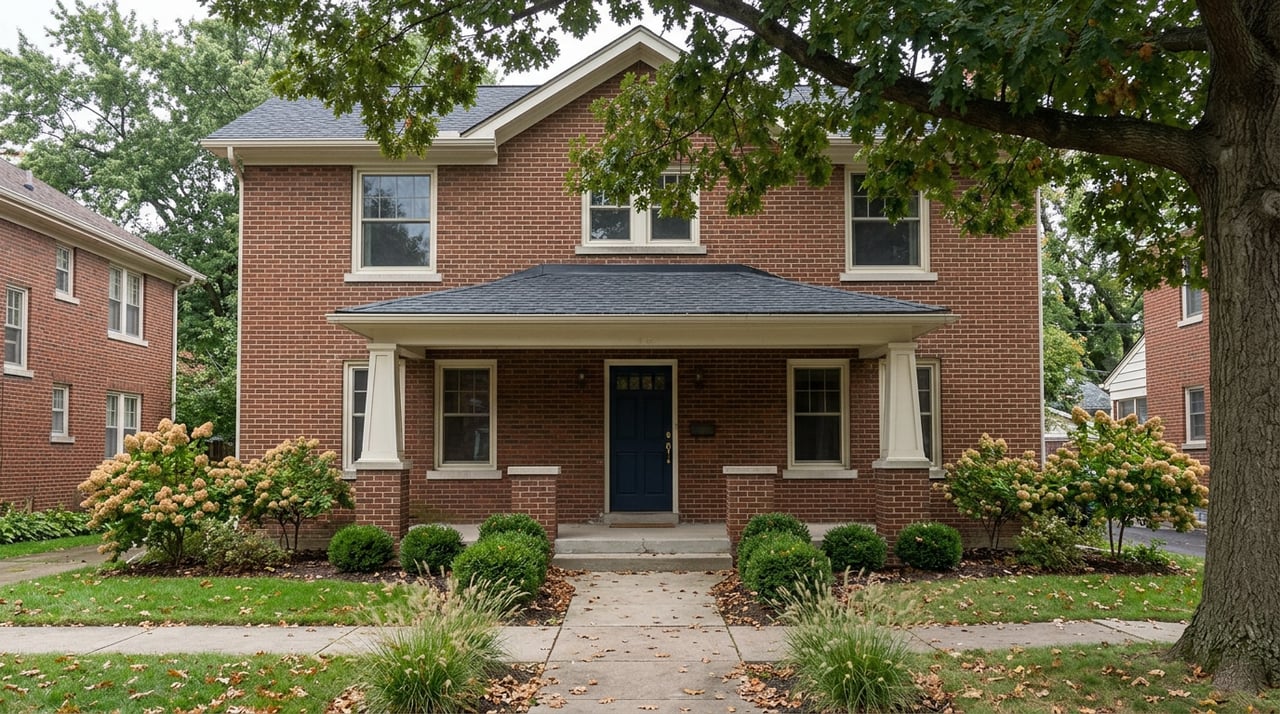
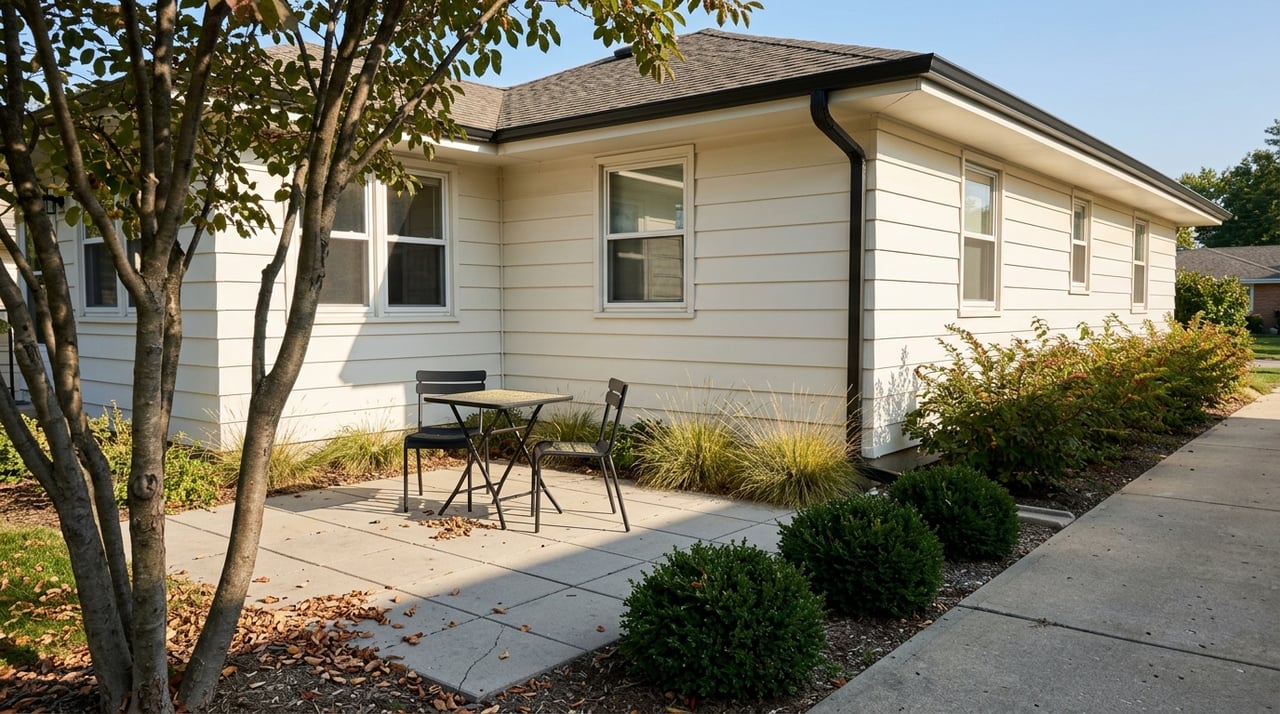
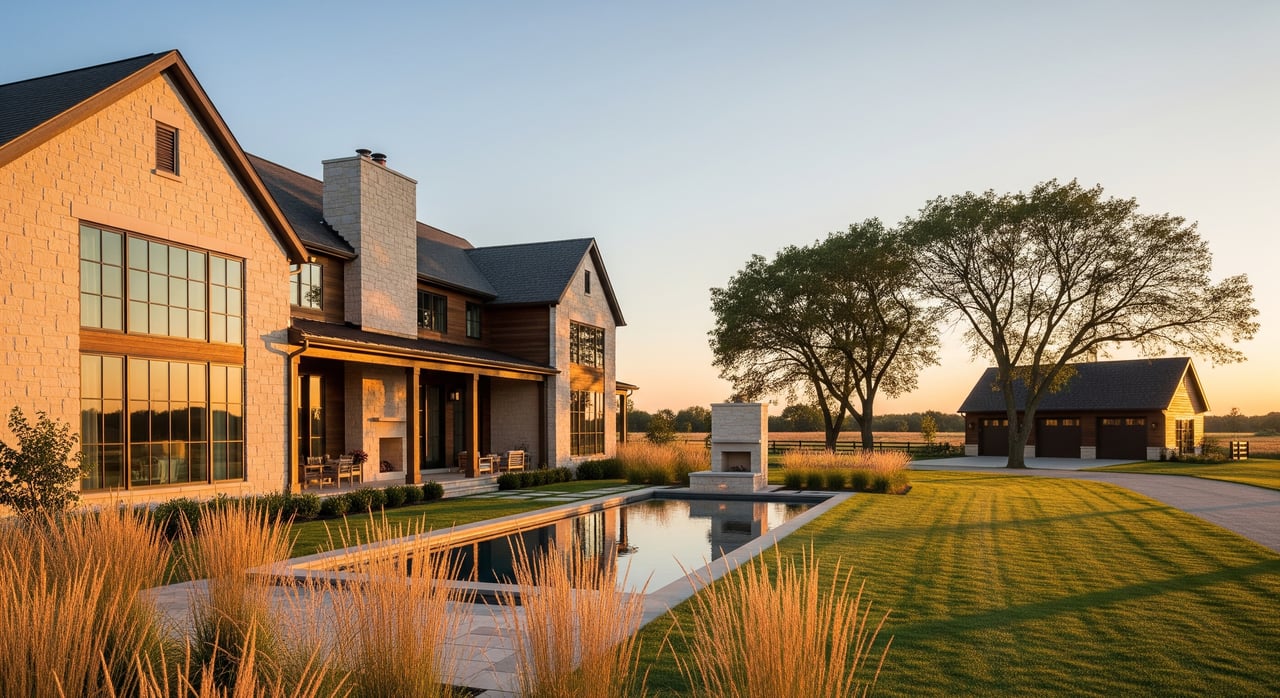
If you picture newer suburban streets with sidewalks, neighborhood parks, and attached garages, you’ll feel at home in Waukee. Much of the housing built in the 2000s–today includes ranch, two-story, and modern craftsman styles. You’ll also find townhome communities and newer apartment options that appeal to first-time buyers, young professionals, and downsizers.
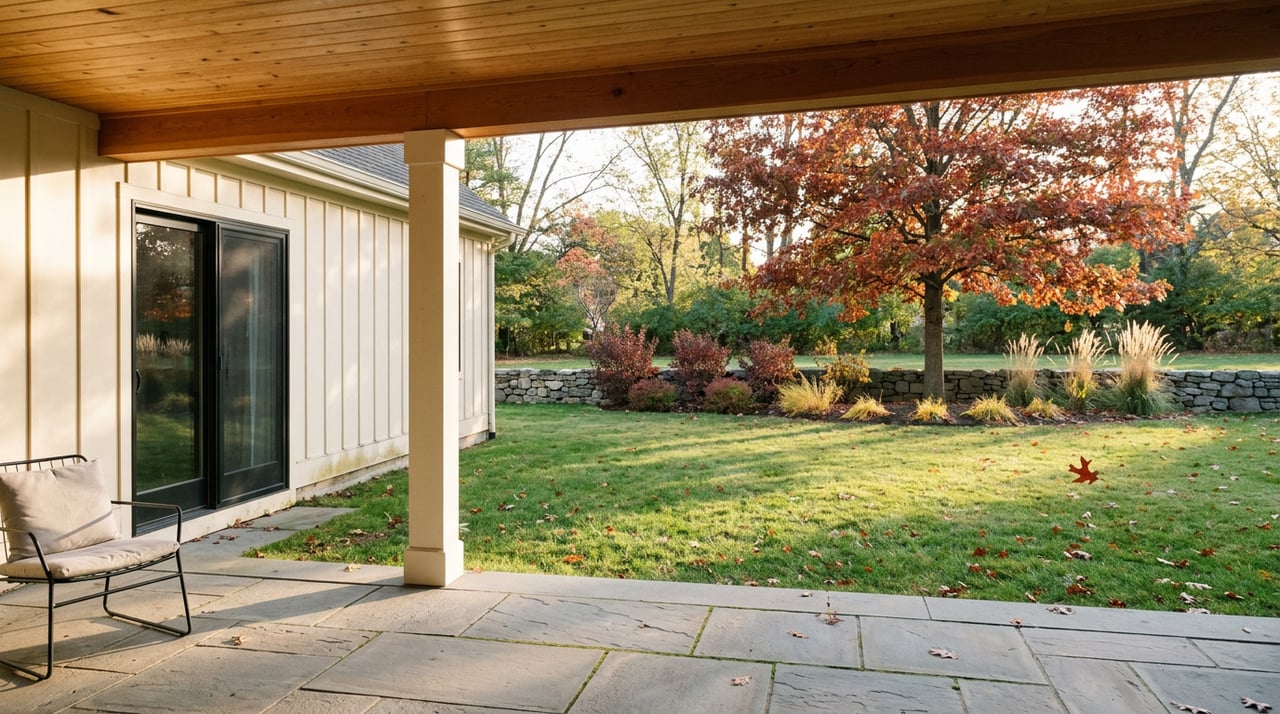
Lot sizes in newer subdivisions are typical suburban yards where outdoor space matters for daily life. Closer to older parts of town, lots can be smaller with homes that predate the latest building wave. Mixed-use developments have added dining, services, and higher-end townhomes, creating small hubs where you can grab dinner, meet a friend for coffee, or run errands without leaving the neighborhood.
Marketwise, Waukee often sees strong demand and limited inventory compared to some older areas of the metro. New construction can carry higher lot and upgrade costs, and neighborhoods near schools or newer retail tend to command premium pricing. Because numbers shift quickly, it’s smart to get a current snapshot of active listings, new-build timelines, and comparable sales before you set a budget.
Buyer tips
- Get preapproved and be ready to act on homes in popular areas.
- If you’re considering new construction, ask about build timelines, standard features, and lot premiums.
- Review HOA rules and planned phases so you know what future development may look like nearby.
- Ask your agent about upcoming listings and private opportunities to widen your options.
Seller tips
- Highlight outdoor living spaces, energy-efficient features, and flexible rooms that buyers value today.
- Professional staging and targeted marketing can help your home stand out among similar new builds.
- Pricing strategy matters when nearby new construction competes for attention. Use fresh comps and adjust as needed.
Commute and transportation
Many residents commute east into Des Moines area employment centers in insurance, healthcare, finance, and tech. Driving is the most common mode, and typical commute times to downtown Des Moines range around 20 to 40 minutes depending on time of day and exact starting point. Waukee connects to regional interstate corridors toward the east, and most daily errands are a short drive.
Public transit exists but is more limited than in central Des Moines. Some suburban routes and services operate with lower frequency, so plan ahead if you rely on transit. You can review current options with the Des Moines Area Regional Transit (DART).
For flights, Des Moines International Airport is the primary commercial airport serving the metro. Many Waukee residents drive about 20 to 35 minutes to reach the terminal, depending on traffic and route. Because the area continues to grow, check the Iowa Department of Transportation or city updates for ongoing road projects that might affect drive times.
Parks, recreation, and trails
If you enjoy getting outside, Waukee offers neighborhood parks, playgrounds, and sports fields, plus recreation programs for youth and adults. City-run leagues, summer camps, and splash pads are popular warm-weather staples. You’ll also find local trail segments and access to wider regional trail systems in the Raccoon River watershed, which makes weekend bike rides or peaceful walks easy to plan.
To see current facilities, program schedules, and trail maps, explore the City’s Parks and Recreation resources through the City of Waukee.
Shopping and dining
As Waukee has grown, retail has followed. You’ll find grocery stores, national chains, and local services clustered in newer commercial nodes. Coffee shops, casual restaurants, and microbreweries are common suburban amenities, offering easy weeknight options. For wider dining variety or late-night spots, many residents head to West Des Moines or downtown Des Moines.
Community life and events
Community calendars typically include seasonal farmers markets, summer concerts or movies in the park, Independence Day celebrations, fall festivals, and holiday events. School-sponsored programs and local organizations add to the year-round rhythm. These gatherings create easy ways to meet neighbors and plug into local life.
Public safety services are community oriented, and residents often describe Waukee as a calm suburban environment relative to larger urban centers. For official statistics or program details, visit city departments like police, fire, and public works via the City of Waukee.
Is Waukee the right fit for you?
Waukee tends to suit you if you want newer construction, neighborhood parks, and the convenience of suburban retail while staying within a short drive of the Des Moines job market. If you depend on frequent public transit or want a vibrant late-night scene outside your door, you may prefer areas closer to downtown. If you want more space, a yard, and recreation programs close to home, Waukee delivers those everyday conveniences.
How a local guide makes it easier
Moving decisions are easier when you have a clear plan and local insight. You want up-to-date neighborhood context, realistic commute expectations, and a strategy that fits your timeline and budget. That’s where a neighborhood-focused agent adds real value.
If you’re thinking about buying or selling in Waukee, let’s talk about your goals, timing, and options. Reach out to Erika Hansen for local guidance, current market snapshots, and a simple next step that fits your move.
FAQs
Commute times from Waukee to downtown Des Moines
- Typical drive times are about 20 to 40 minutes depending on traffic, route, and your exact starting point.
Public schools in Waukee and how to research them
- The Waukee Community School District serves the area and is a key factor for many buyers. Review boundaries and programs on the district site.
Waukee home prices compared to Des Moines
- Prices in Waukee are often higher than some older central neighborhoods due to demand and newer construction. Ask for a fresh market snapshot before you set a budget.
Parks and recreation options in Waukee
- You’ll find municipal parks, trails, sports fields, splash pads, and city-run programs. Check the latest offerings via the City of Waukee.
Public transit availability in Waukee
- Transit service is more limited than in central Des Moines. Review current routes and frequency with DART to see if it fits your commute.